Professional guide to training your kitten to use a scratching post effectively
Learn the expert secrets for training your kitten to use a scratching post in 2026. Protect your furniture and promote healthy cat claws with our proven steps!

Mục lục
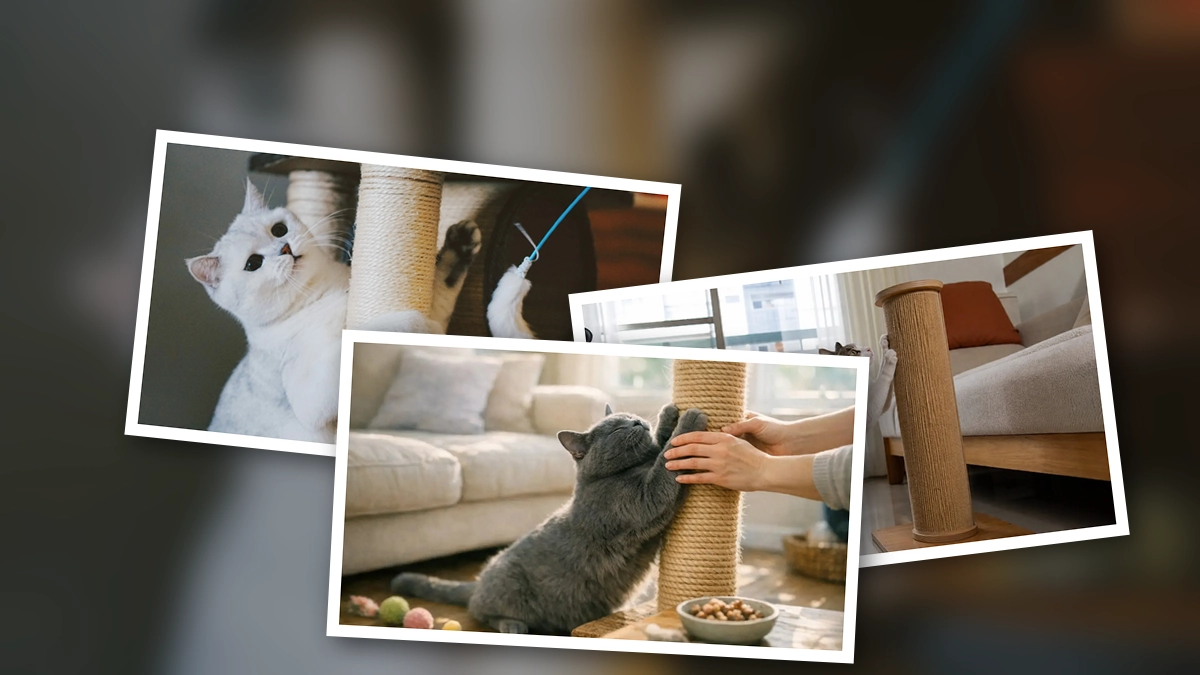
A common concern among new cat owners is the sight of a brand new sofa being shredded by tiny, sharp claws. You might wonder how to get your new companion to scratch at a designated post instead of your expensive upholstery. Scratching is not a behavior intended to be destructive; rather, it is a part of feline psychology involving exercise and territorial marking. By understanding these instincts, you can successfully master training your kitten to use a scratching post and create a harmonious home environment.
- Start training early during the weaning stage.
- Select posts with a minimum height of 30 inches.
- Utilize catnip and positive reinforcement as primary enticements.
- Strategically place furniture near napping areas.
Understanding the feline urge to scratch
Scratching is a normal feline behavior that serves multiple biological purposes. When a cat stretches and has a vigorous scratch, they are leaving a visual and olfactory mark on their territory. This action also helps in promoting healthy cat claws by removing the old, shedded outer layers of the nail. Contrary to popular belief, scratching does not sharpen the claws but rather maintains their functional health.
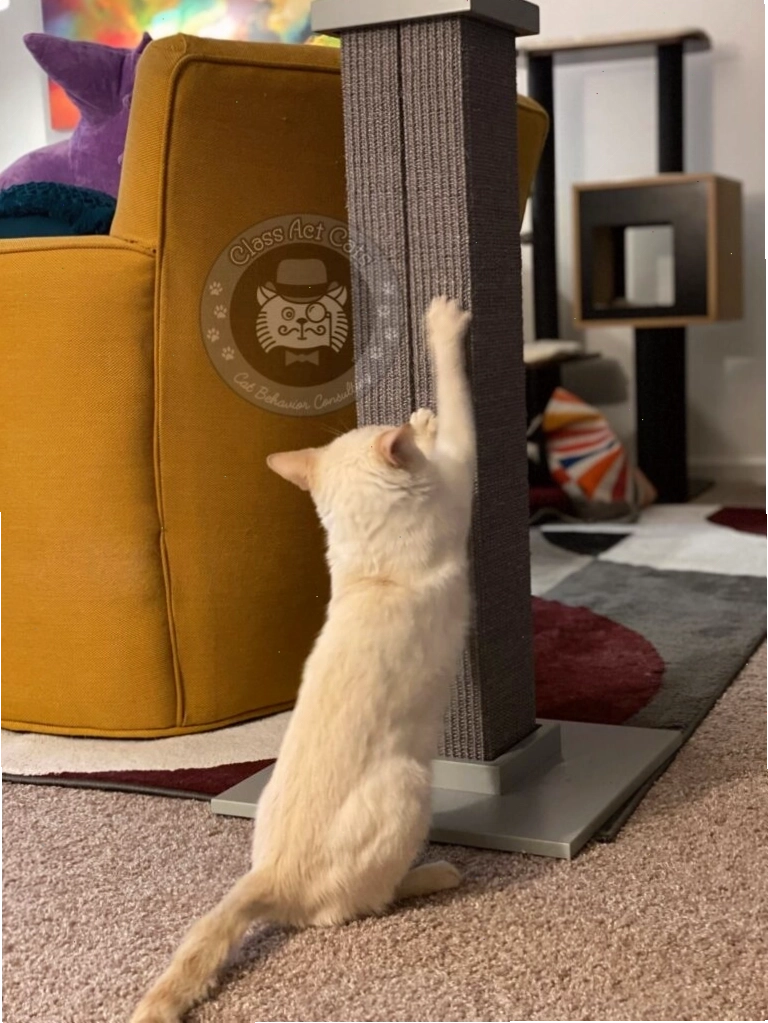
To succeed in training your kitten to use a scratching post, you must establish clear boundaries between what belongs to you and what belongs to them. Because domestic cats are highly territorial creatures, they quickly learn to distinguish their furniture from yours if provided with high-quality alternatives that satisfy their needs. High-quality cat care involves providing these outlets before bad habits form.
Selecting the right scratching post for your kitten
Choosing the right scratching post is perhaps the most critical step in this process. If the post you offer is unappealing, your kitten will naturally seek out more stable and textured surfaces, such as your couch. Each pet has individual preferences, so experimentation with materials like sisal rope, carpet, or even rough wood might be necessary to see what your kitten prefers.
Importance of height and stability
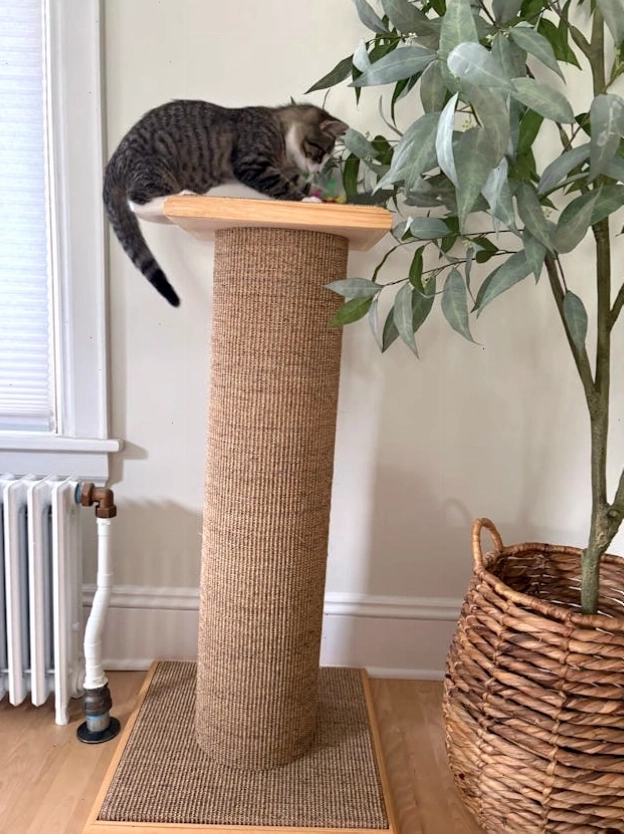
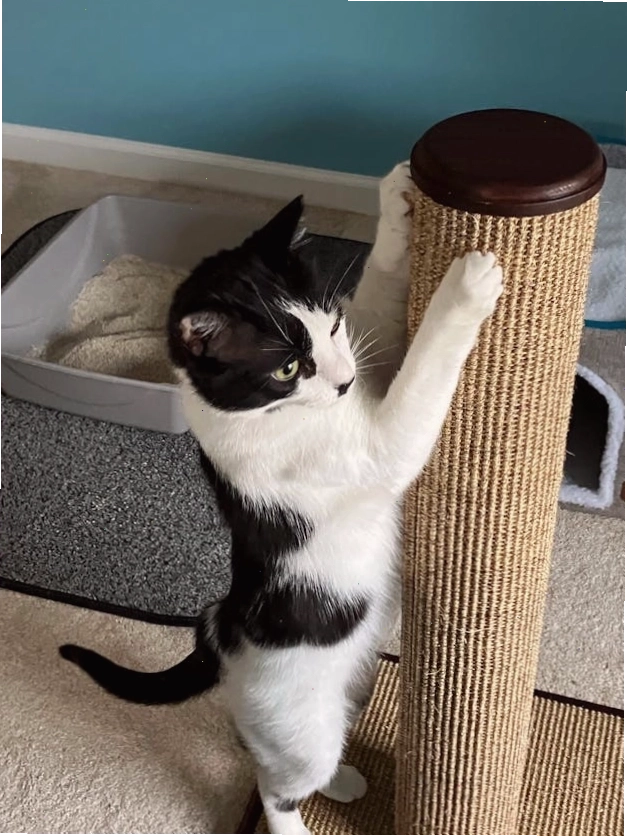
A standard vertical post must be tall enough for your kitten to stretch their full body length. A height of approximately 30 inches is recommended to ensure they don't outgrow the post too quickly. Furthermore, the post must be extremely solid; a wobbly post is a safety hazard and a deterrent. Most kittens will refuse to use furniture that feels unstable under their weight.
Material preferences and textures
While sisal rope is widely considered the best scratching material due to its durability and grip, some cats prefer the soft texture of carpet or the shreddability of cardboard. You can also discover these unique little fish that inhabit marine ecosystems, such as the pacific spiny lumpsuckers, which have a unique suction disc to grip surfaces. Similarly, your cat needs a surface they can 'hook' into to feel secure during their stretch.
| Material | Pros | Cons |
|---|---|---|
| Sisal Rope | Extremely durable, excellent for marking | Can be rough for very young kittens |
| Corrugated Cardboard | Inexpensive, very appealing shredding texture | Messy, needs frequent replacement |
| Carpet | Soft on paws, blends with home decor | May confuse the cat into scratching floor rugs |
Strategic placement and timing
Location is essential for successful kitten scratching furniture redirection. Placing a post in a hidden basement corner will likely result in it being ignored. Cats often feel the urge to stretch and scratch immediately after waking up from a nap. Therefore, you should place scratching posts near their favorite sleeping spots or in social areas where the family hangs out.

If your kitten has already targeted a specific chair, place a post directly in front of that spot. This makes the post the most convenient option. Over time, as the kitten identifies the post as their own, you can gradually move it to a more preferred location. Remember that maintaining cat health involves regular observation of these environmental interactions.
Training techniques and positive reinforcement
Start training as early as possible, ideally when the kitten is being weaned. While older cats can be trained, kittens are much more adaptable. Use enticements such as rubbing catnip on the post or dangling a toy around it to grab their attention. When your kitten uses the post, provide immediate rewards like treats or affectionate praise.
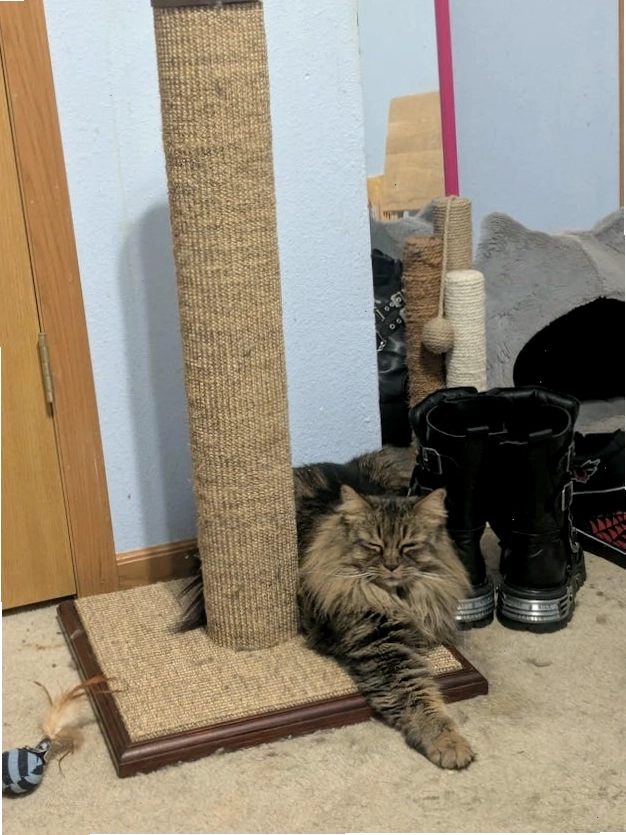
If you catch them scratching the sofa, use a firm voice to say 'no' and immediately move them to the post. Never use a spray bottle or physical punishment, as this only creates fear and does not address the underlying biological need. Consistently using cat scratching deterrents like double-sided tape on furniture corners can also help make the sofa less appealing while they learn.
Comprehensive health and environment management
General cat care extends beyond just behavioral training. A healthy cat is a well-behaved cat. Ensure your kitten is free from ear mites and tick-borne diseases, as physical discomfort can lead to increased irritability and destructive behaviors. While discussing health, owners should also learn about bobcat fever in cats to stay informed on serious feline risks.
Interestingly, the animal kingdom is full of unique adaptations. Just as pacific spiny lumpsuckers use their spiky bodies for protection and their unique suction disc to anchor themselves, a cat’s claws are their primary tools for stability and defense. Understanding the fish life cycle or marine biology might seem unrelated, but it highlights how every species, including domestic cats, has evolved specific physical needs that must be met in their environment.
Creating a cat friendly home for the future
Ultimately, the goal of training your kitten to use a scratching post is to provide them with a sense of ownership over their space. When a cat has several pieces of 'kitty furniture' available, they are less likely to infringe on yours. Persistence is the key; be gentle but firm in your guidance, and always celebrate their progress. By 2026, with the variety of high-quality sisal and wood options available, there is no reason your furniture should suffer. Treat the training process as a bonding experience, and you will enjoy a lifetime of scratch-free furniture and a happy, healthy companion.



Bình luận